
Single-Use Cystoscopy for Urinary Symptoms
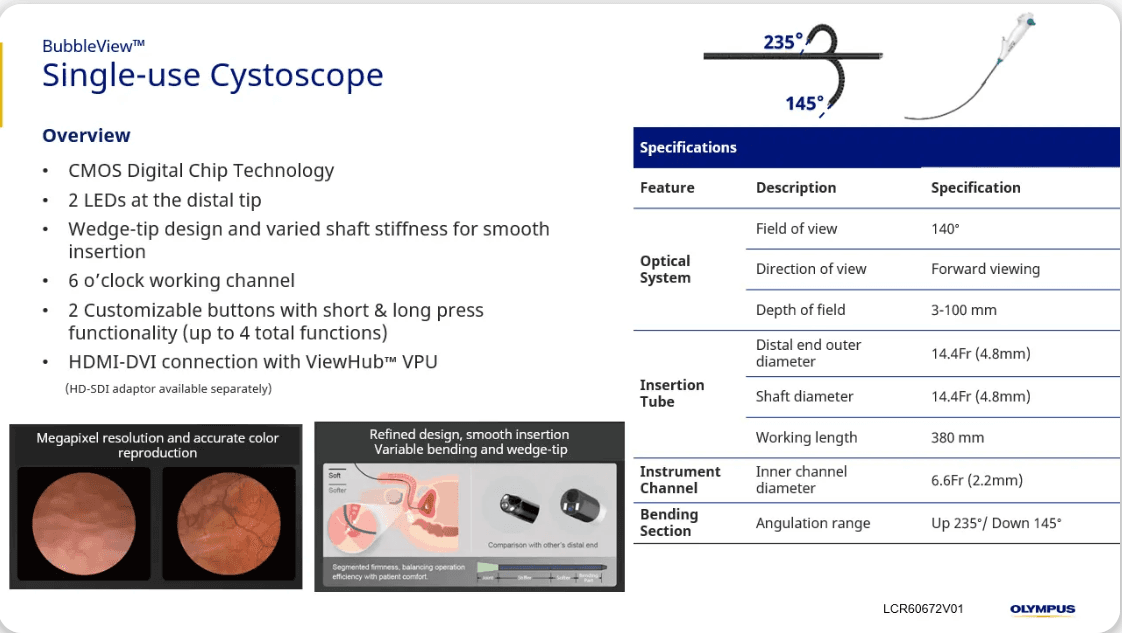
Men with weak stream, urinary urgency, waking at night, incomplete emptying, retention, blood in the urine, recurrent infection, or BPH treatment questions may need more than a symptom checklist before choosing a plan. Cystoscopy lets the urologist look inside the urethra and bladder. Single-use cystoscopy uses a new sterile scope for each patient, which removes the cleaning and reprocessing step from that specific device pathway.
Seek urgent care if you cannot urinate, have fever with urinary symptoms, heavy bleeding, severe pain, blood clots, or symptoms that feel unsafe.
Board-certified urologist and robotic surgeon · Founder and Chief Medical Officer
Source-backed draft awaiting clinician approval
- Cystoscopy is a diagnostic tool that can show urethral narrowing, prostate obstruction pattern, bladder stones, tumors, bleeding sources, inflammation, or anatomy that changes treatment choice.
- Not every man with urinary symptoms needs cystoscopy at the first visit, but it may be important before certain BPH procedures or when warning signs are present.
- Single-use cystoscopy means the scope is new for that patient, which can reduce equipment turnaround problems and avoid reprocessing concerns for that scope.
- Single-use does not mean zero risk. Patients still need preparation instructions, infection-warning education, and follow-up guidance.
- Public websites should educate; actual symptoms, urine results, imaging, and procedure planning belong in the secure clinical workflow.
Why cystoscopy can matter before urinary treatment
Urinary symptoms can come from several places. BPH is common, but weak stream, urgency, retention, blood in the urine, and recurrent infections can also involve urethral stricture, bladder stones, bladder lining changes, prior procedure effects, medication issues, infection, or bladder function. A treatment chosen before the anatomy is understood can miss the real driver.
Cystoscopy gives the urologist direct visual information. It may show whether the urethra is narrowed, whether the prostate channel appears obstructed, whether the bladder has stones or tumors, whether inflammation is present, or whether another finding changes the next step.
When a man may be considered for cystoscopy
A clinician may discuss cystoscopy when symptoms are persistent, severe, complicated, or mismatched with basic testing. It is also commonly part of planning before selected BPH procedures, because treatment choice can depend on prostate shape, obstruction pattern, median lobe anatomy, bladder findings, and whether a different condition is present.
Warning signs such as visible blood in the urine, inability to urinate, recurrent infections, bladder stones, abnormal imaging, prior prostate or urethral procedures, or suspected stricture can make the cystoscopy conversation more important.
What single-use cystoscopy changes
Traditional reusable scopes require cleaning and high-level disinfection or sterilization between patients. Single-use cystoscopy uses a new sterile device for each patient. That can remove reprocessing variability for the scope itself, support scheduling efficiency, and reduce delays tied to equipment turnaround.
The patient-facing point should stay precise. Single-use cystoscopy does not make the procedure risk-free, does not replace clinical judgment, and does not mean every patient needs a scope. It changes the device pathway, while the doctor still has to decide whether cystoscopy is medically appropriate.
What patients should ask before the procedure
Patients should ask why cystoscopy is being recommended, what question it is expected to answer, whether it is office-based or facility-based, what discomfort to expect, whether antibiotics or urine testing are needed, and what symptoms should prompt a call after the procedure.
They should also ask how findings would change the plan. For example: would the result affect medication choice, UroLift, Rezum, TURP, HoLEP, robotic simple prostatectomy, stricture treatment, bladder-stone treatment, biopsy, or follow-up testing?
The safest framing for MWI patients
MWI can use cystoscopy education to help men understand why a urologist may want to inspect the urethra and bladder before choosing a urinary treatment. That is especially useful when a man wants a quick answer for BPH but may have anatomy, bleeding, retention, stones, or stricture concerns that change the treatment path.
The right message is not, "Everyone needs a scope." The right message is, "Some urinary decisions should not be made blind." A clinician can decide whether cystoscopy belongs in the workup and whether single-use equipment is available in that care setting.
Frequently asked questions
Does every man with urinary symptoms need cystoscopy?
No. Some men start with history, exam, urine testing, bladder-emptying checks, symptom scoring, PSA context, or medication review. Cystoscopy is considered when anatomy or bladder findings could change the plan.
Why might cystoscopy be done before a BPH procedure?
BPH procedure choice can depend on prostate channel anatomy, obstruction pattern, median lobe, bladder findings, stones, stricture, or other issues that may not be clear from symptoms alone.
What does single-use cystoscopy mean?
It means the scope used for the procedure is a new sterile device for that patient. It removes the cleaning and reprocessing step for that scope, but it does not eliminate all procedure risk.
What symptoms after cystoscopy should prompt a call?
The office should give specific instructions. Fever, chills, inability to urinate, heavy bleeding, worsening pain, or symptoms that feel unsafe should be addressed promptly.
This page is educational and does not provide medical advice, diagnosis, or treatment. A clinician must evaluate your individual situation.